
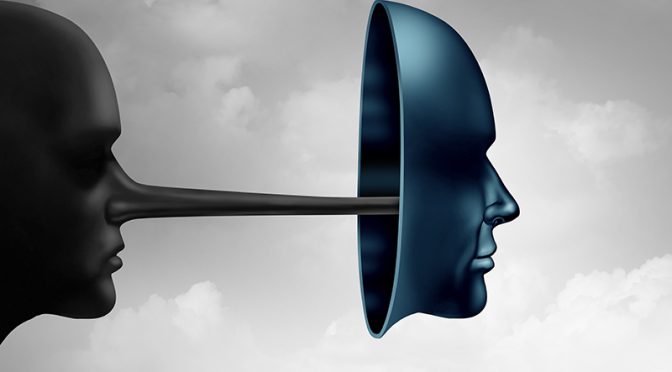
There is a growing body of evidence hinting that the conversational AI systems—aka chats—are unreliable, unsecure, and unsafe. The general conclusion, expressed in only one word, would be that AI systems are untrustworthy. It is based on the demonstration that AI hallucinates, produces deceptive behaviors, and self-poisons/self-pollutes its originating model.
Continue reading On Trustworthiness of Conversational AI SystemsTag Archives: AI

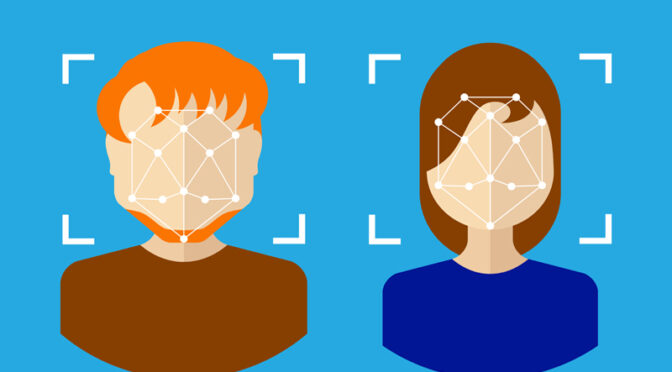
AI-powered Facial Analysis is Pseudoscience: A Reflection on Physiognomy
I have recently joined the many people who have wondered what can be read from the face of another person, otherwise known as physiognomy. Aristotle considered it possible to infer character from features, at least for passions and desires. Opinions have oscillated over time, physiognomy enjoying certain respectability in the 18th century, before descending to the realm of pseudoscience in the 19th.
The advent of artificial neural networks in recent decades has revived the question of whether there might be a kernel of truth in the assertion that aspects of a person’s personality and character could be inferred from their appearance (see. e.g., Richard Wiseman, Roger Highfield, Rob Jenkins 2009 article in New Scientist, “How Your Looks Betray Your Personality.”
Continue reading AI-powered Facial Analysis is Pseudoscience: A Reflection on Physiognomy
AI in the Green Revolution 2.0
Most technology enthusiasts these days will mention automation using artificial intelligence (AI) as a key factor in the future of computing. The computing community is promoting AI as a one-stop solution to every complex problem. Technology companies are introducing AI-enabled products in many domains such as automotive, consumer electronics, healthcare, social media, and finance. Based on some recent studies, AI is expected to contribute 16 percent or $13 trillion to the global economy by 2030.
Continue reading AI in the Green Revolution 2.0
Design Fictions to Mitigate Social Injustice in Possible Futures
Imagine this: It’s morning and you are starting your daily routine—go to work, bring kids to school, etc. You are quite late. You lift the door handle of the car; able to recognize your fingerprints, the car unlocks. You speak, “To Helen’s school please, then Martin’s school, then to work.” The car doesn’t respond. It’s rush hour and you need to bring the kids to school on time and then rush to work.
Your car’s machine-learning algorithm predicts you are likely to get a fine or worse, despite your intentions to drive consciously when kids are on board and stay under the speed limit. Almost like the “pre-crime” police units of the Tom Cruise sci-fi hit “Minority Report,” the algorithm uses police report data on parents who speed during rush hour when late for school or work. It neglects your law-abiding attitude. Fortunately, the personal digital assistant in your watch, sensing your car has been disabled, is already contacting the schools and your workplace with your estimated times of arrival and an excuse for your tardiness.
Continue reading Design Fictions to Mitigate Social Injustice in Possible Futures