

Since the pioneering paper by Belady and Lehman in 1976 [1], software engineers have suspected that software development, and post-development called “evolution” is a complex process ending with a complex system—the software product. These early pioneers may have been the first to analyze program defects and note their statistical behavior. The idea that a software product is an evolving system with measurable statistical properties (like molecules in a gas or heat transfer in solids) has recently gained renewed interest with the introduction of agile methods, and the application of big data analytics to the software development process itself [2]. Continue reading The Fractal Software Hypothesis


Green Computing: What does the future hold?
Green computing is defined as “computing that does not harm the environment to the maximum possible level while not compromising the technological and commercial development of the computing field.” Greening is possible in all sorts of computing endeavors and green computing has an optimistic future with ample avenues for making it possible. Continue reading Green Computing: What does the future hold?

A Shortage of Technicians
Through a long and bumpy ride from 2000–2008, enrollments in CS departments declined by 50% from their peak in 2000. This caused considerable introspection and an identity crisis about who we are and who we serve.
Starting in 2008, the trend began to reverse. Continue reading A Shortage of Technicians
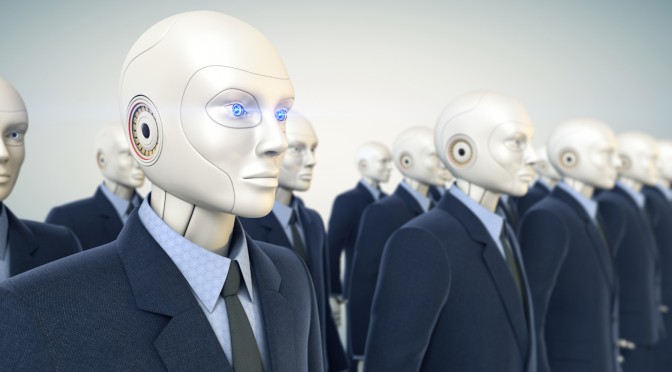
The End of Life As We Know It
European wealth surged after the European’s adopted Arabic numbers, including recognizing the existence of zero and infinity, which led to calculus and ultimately the Industrial Revolution [1]. Steam power, assembly-line manufacturing, and applied science made Europeans the richest people in history, because technology increased productivity. But then the rapid rise of productivity came to a near halt, soon after the “Internetal Revolution.”† Why?